
ADHD & AuDHD Coaching
Empowering you to build a life that works for your Brain and Body
Support for busy, brilliant neurodivergent brains - online across the UK and in-person in Dorset.
ADHD & AuDHD Coaching
Empowering you to build a life that works for your Brain and Body
Support for busy, brilliant neurodivergent brains - online across the UK and in-person in Dorset.
Are you ready to create a life that works with your brain and body?
Welcome - You’re in the right place.
A life where your energy is respected, where structure supports you and where success is defined on your terms.
If you’re a neurodivergent adult, ADHD, AuDHD (Autistic & ADHD) or with other co-existing conditions such as dyslexia, OCD or chronic fatigue...
YOU DON'T NEED FIXING!!!!
You need understanding, space and support that actually fits. You may already know your brain works differently, but you may not have had the space to truly understand it or the support to design your life around it.
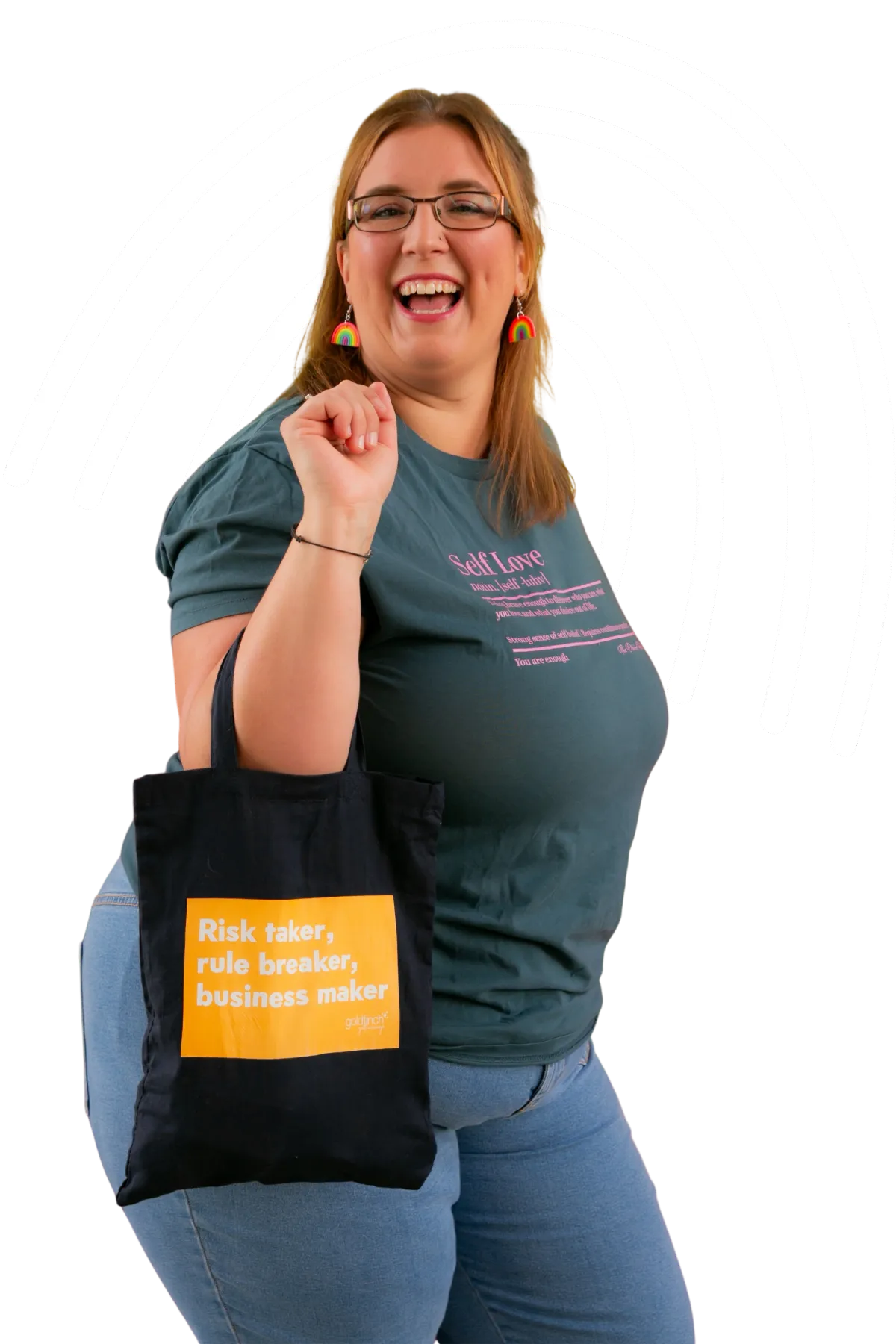
I’m Rachel, a Certified Advanced ADHD coach with an understanding of Autism, based in Dorset, working with neurodivergent adults across the UK.
Together, we will simplify what feels complicated, build sustainable structures around your energy, and create ways of living and working that genuinely suit you.
You can have a life that works for you and you don’t have to figure it out alone!
Hey, I'm your Uni-coach🦄
Based in Wimborne, Dorset - covering, Bournemouth, Christchurch, Poole, Hampshire and Online
I’m AuDHD, dyslexic and live with fibromyalgia.
I understand the juggle first hand, not only with my neurodivergence, health, family and a business but also the adapting, the pushing through, the rebuilding and trying to hold it all together when your energy tells a different story.
Having my own ADHD coaching changed my life. It gave me language for my brain, helped me unmask safely, and supported me in rebuilding my life around how I actually work — not how I thought I should.
Alongside lived experience, I’m a Certified Advanced ADHD Coach with an understanding of autism and trauma awareness, particularly around the long-term impact of growing up misunderstood or undiagnosed.
I work holistically, with you at the centre, considering your brain, body, life, work, energy and identity together. You’re not a set of traits to manage, you’re a whole person!
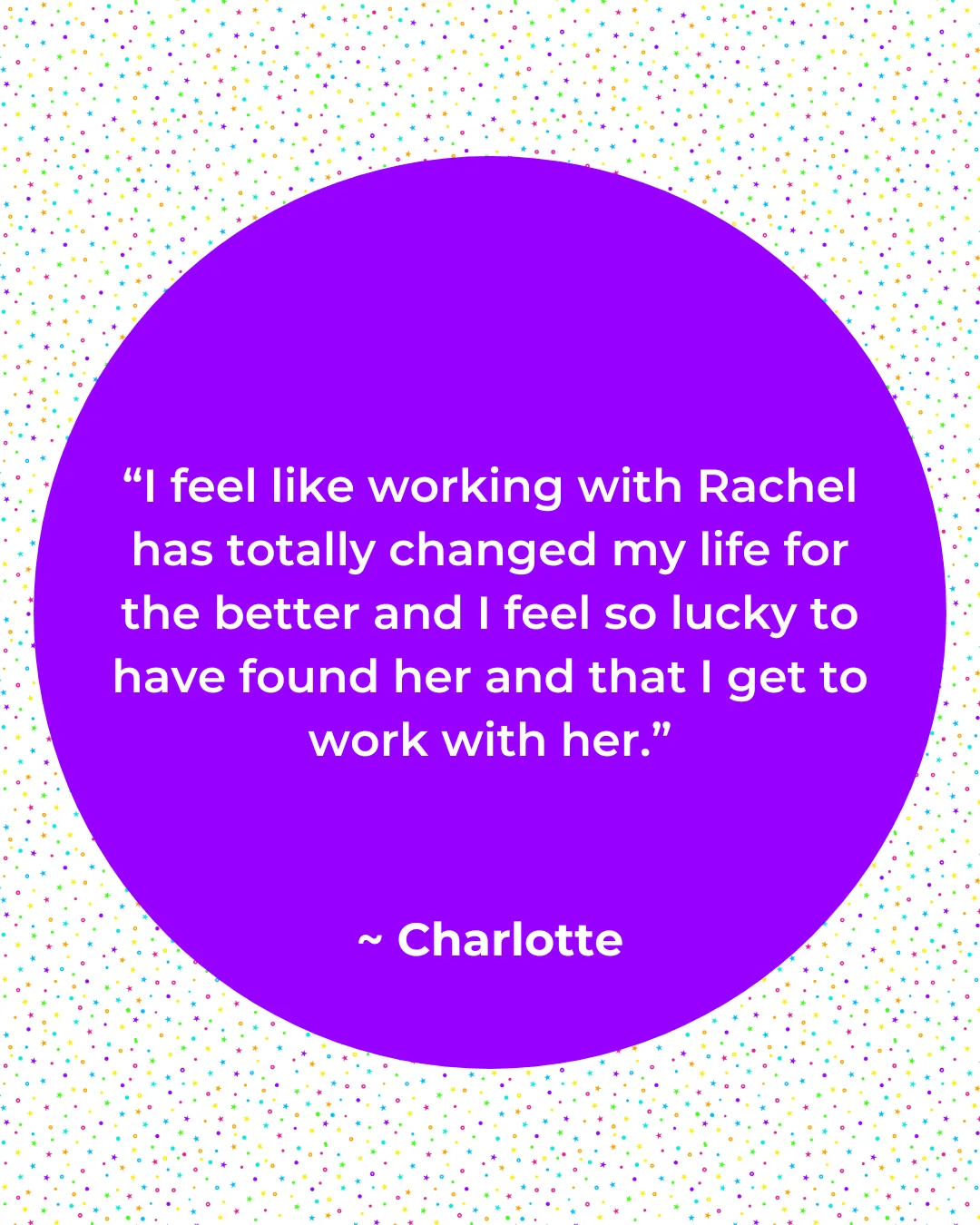
I know this experience can feel lonely, that's why I'll become your biggest cheerleader. Clients often tell me they finally feel understood, supported, less alone, clearer about who they are - a beautiful, magical Unicorn.
Ways to work together
Coaching & Support for ADHD & AuDHD Adults
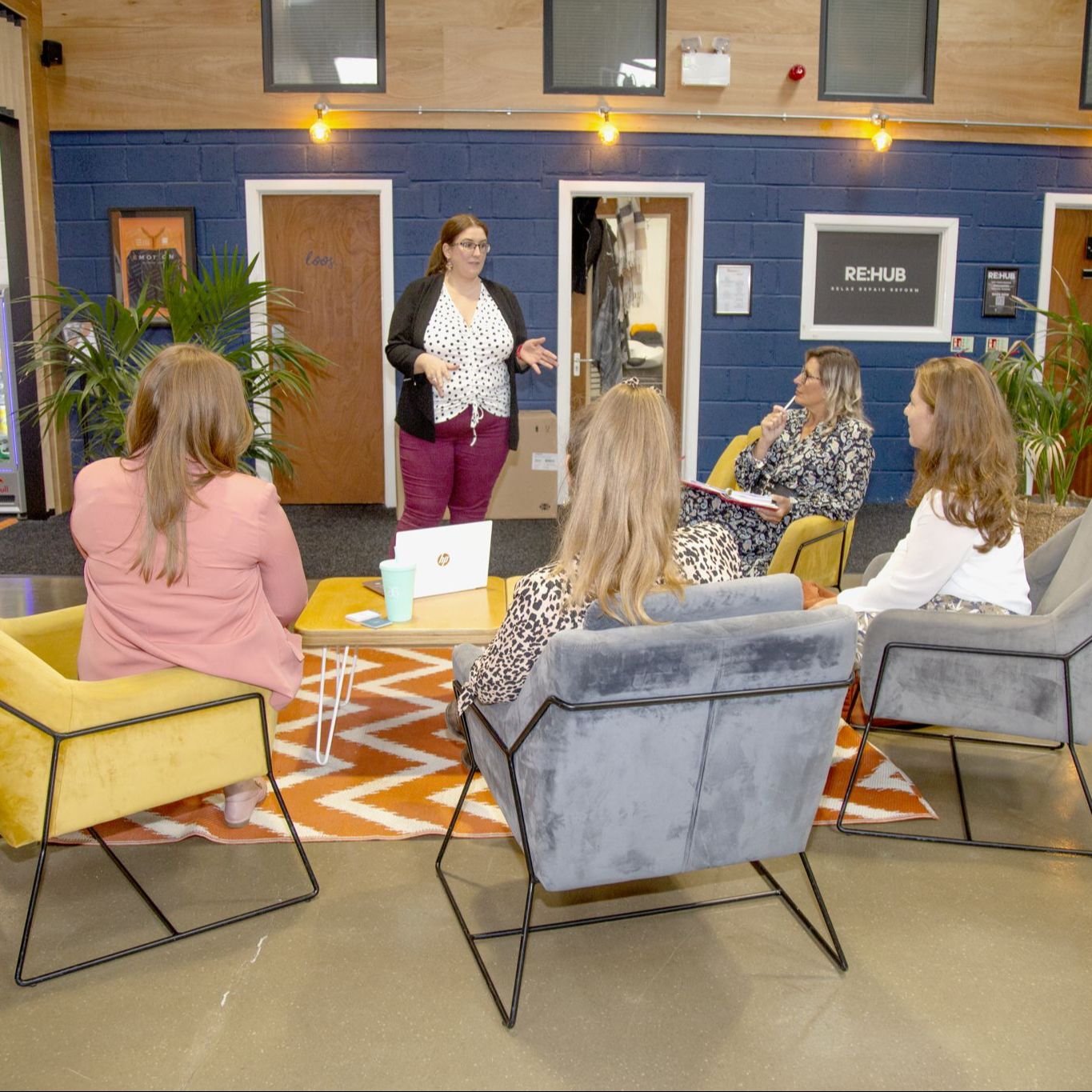
From 1:1 coaching to in-person events and workshops, everything I offer is designed to help you better understand your brain and neurodivergence, simplify what feels overwhelming, protect your energy, and build a life that you want and deserve.
Choose what feels right for you right now - You don’t have to figure this out alone.
Coaching
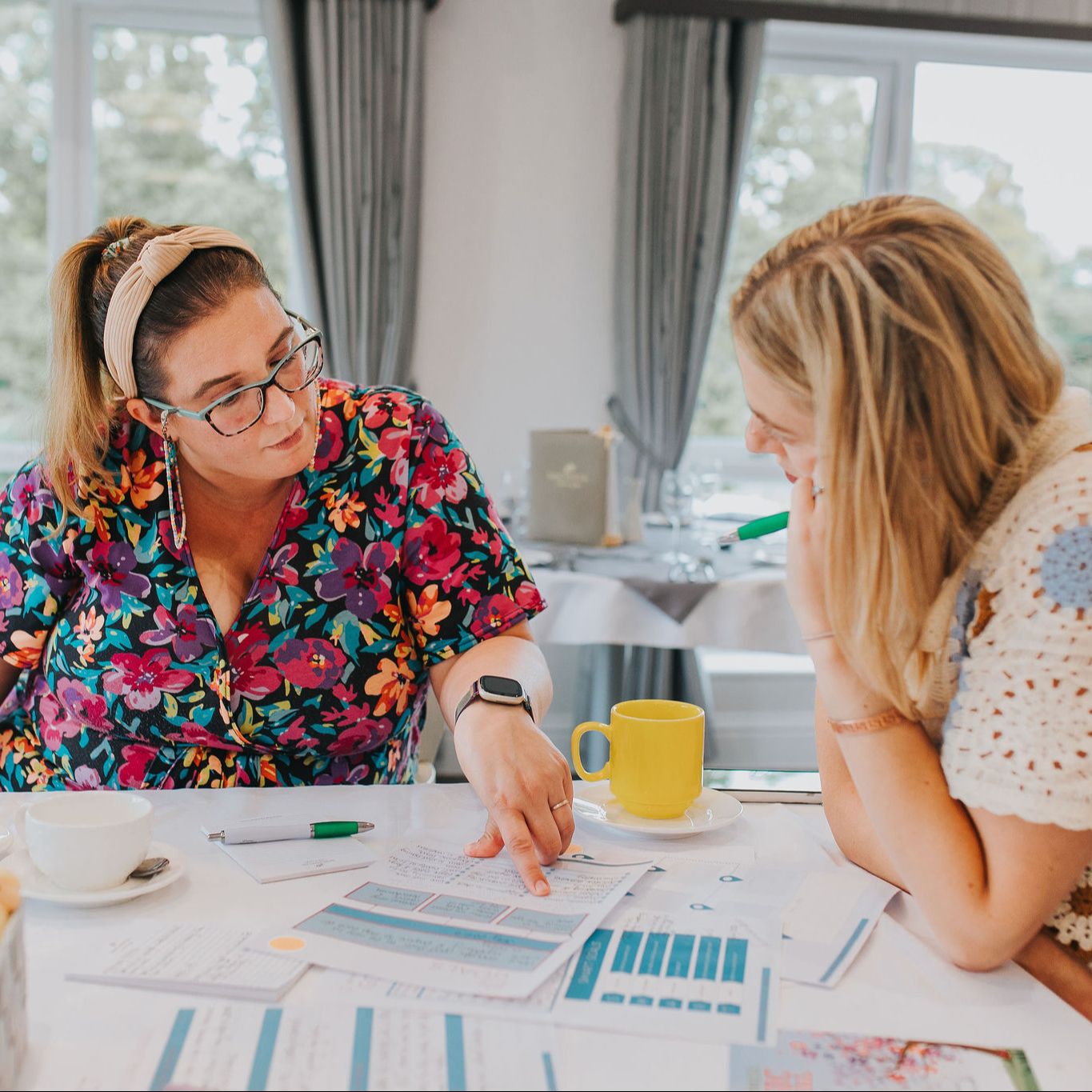
Events
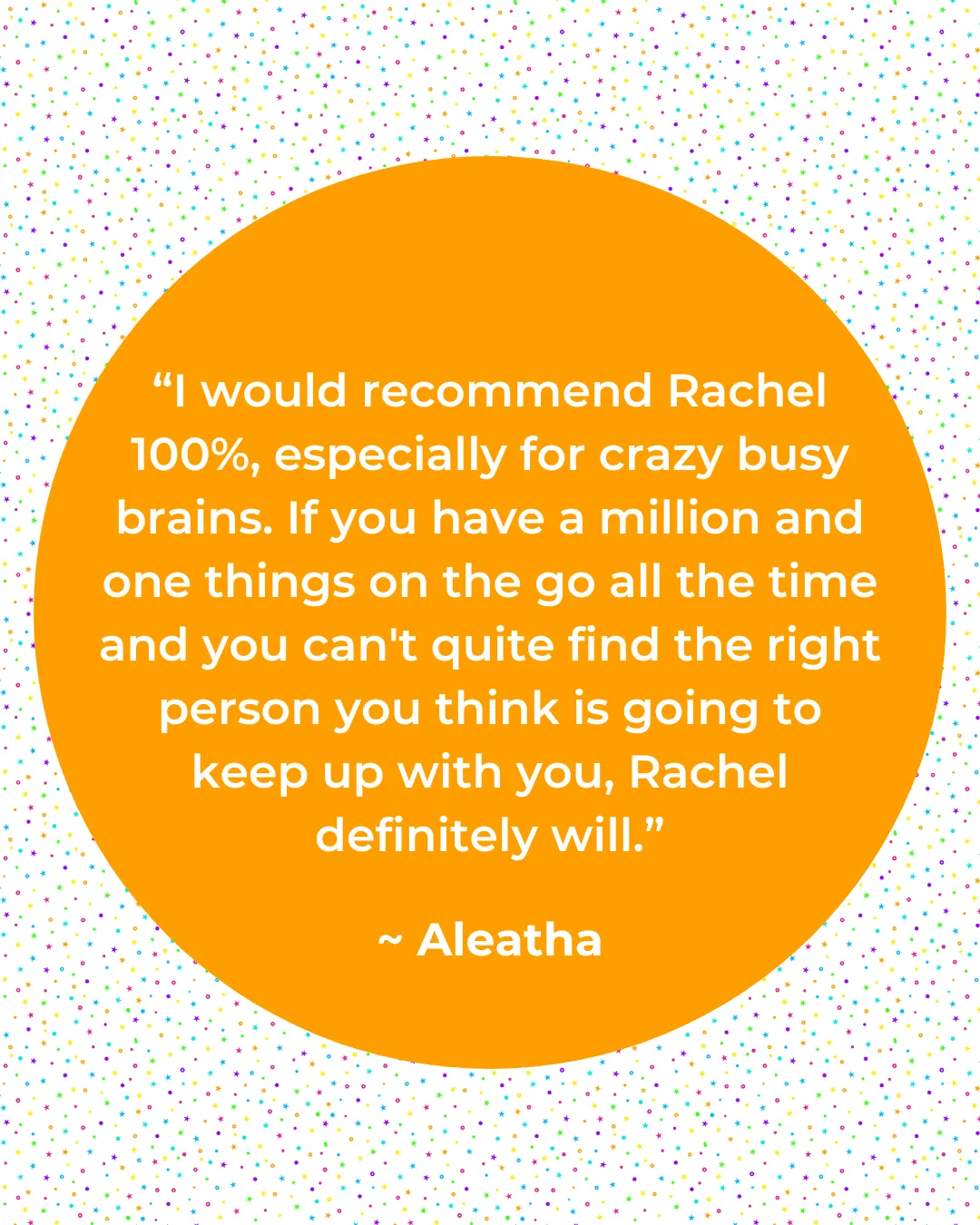
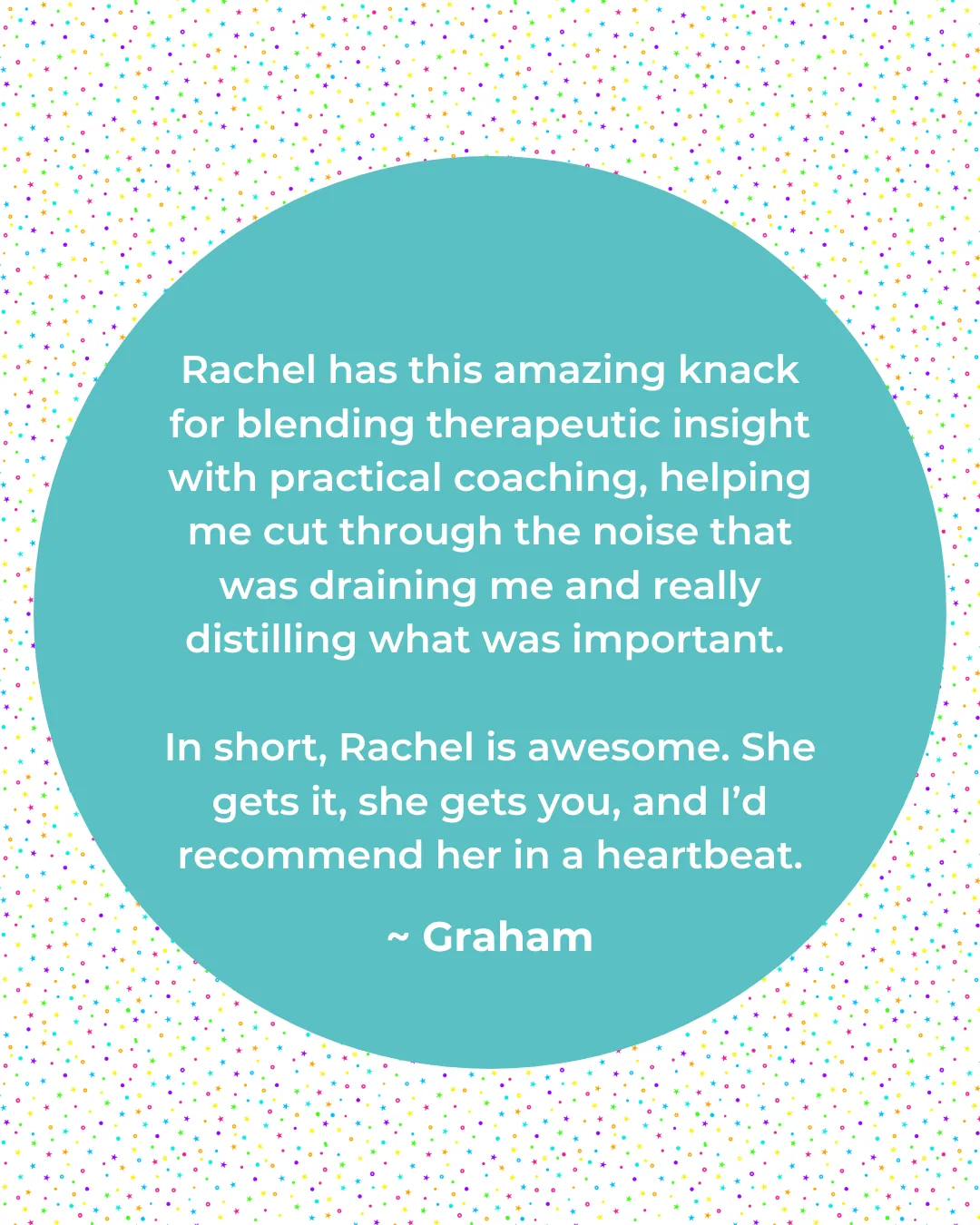
What My Clients Say
Subscribe to my Mailing List
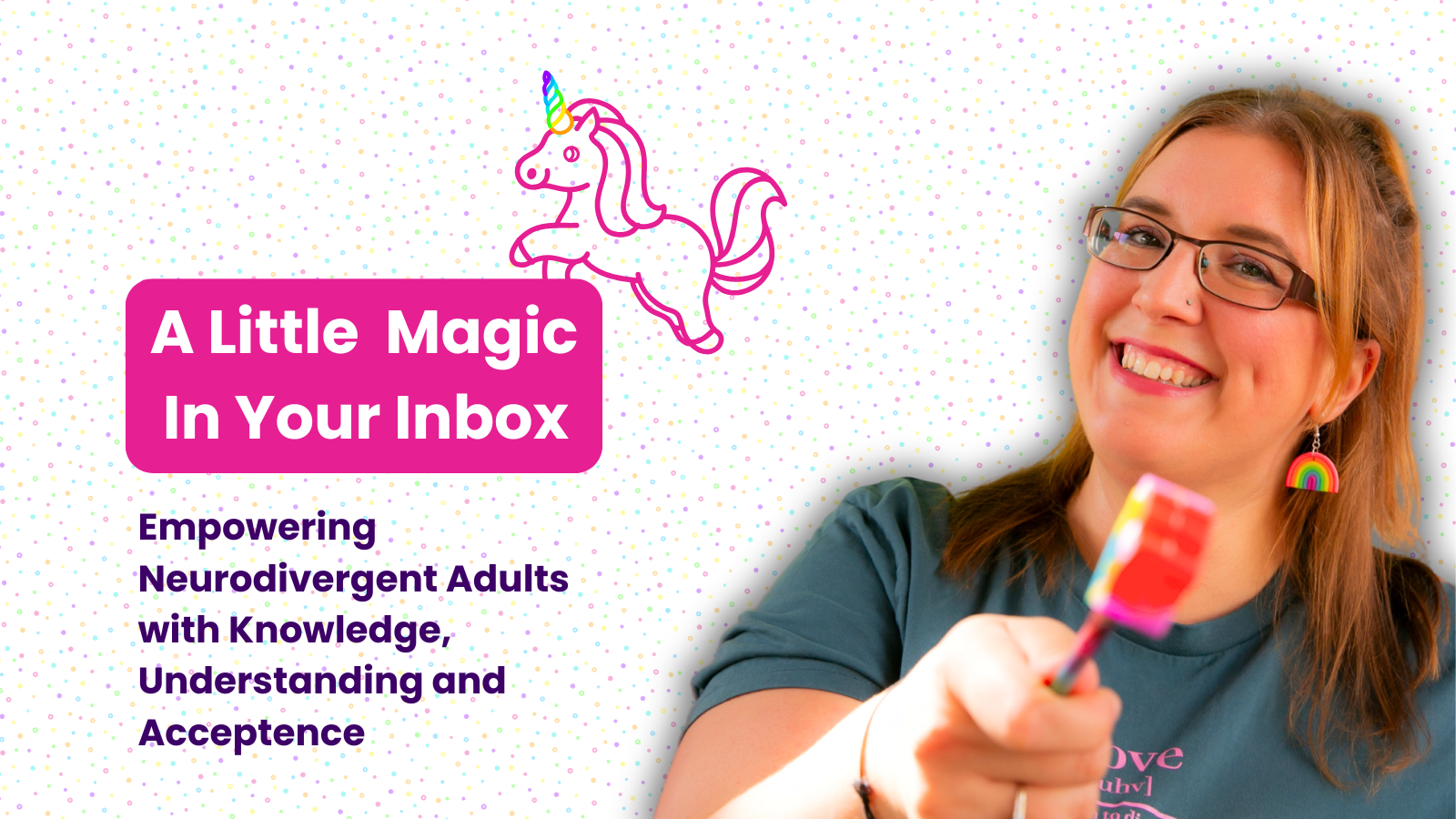
Be the first to hear about new blogs, workshops, support groups, resources and practical strategies to help you better understand your neurodivergent brain.
Book a connection call today
You don’t have to keep doing this alone, change can feel scary - I know, I get it. But when you know something needs to change, when you don't want to just push through any more, then real acceptance and a life you dream of is not far away!
You deserve support that understands your brain.
You deserve a life that works for your body and energy.
You deserve to feel confident being fully yourself.
When you’re ready, I’m here.
COMPANY
LEGAL
FOLLOW ME


Copyright 2026. Fruition for Business. All Rights Reserved.